Introduction
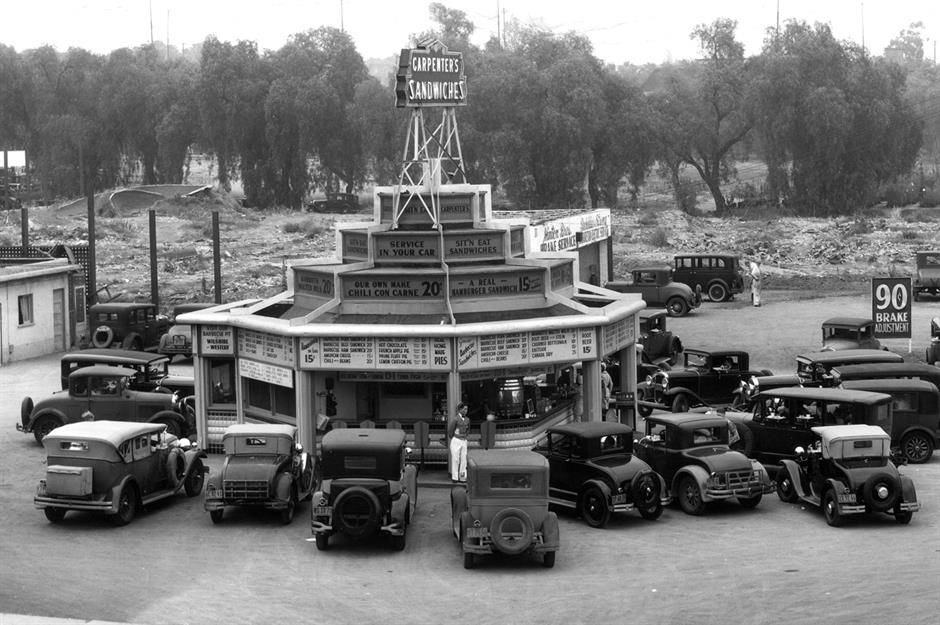
The Drive-thru has become a ubiquitous feature of modern-day society. It provides a convenient and fast way for customers to order and receive food or other products without leaving their vehicles. However, the history of drive-thrus is a fascinating one, full of innovation and evolution that has transformed the way we access goods and services.
The First Drive-Thru
The first drive-thru restaurant was the iconic In-N-Out Burger in California, which opened in 1948. It was a simple model of ordering through a speaker system and receiving the food through a window. However, this was revolutionary for the time, as it allowed customers to get their food quickly and efficiently without leaving their cars. It wasn’t long before other fast-food chains like McDonald’s, Burger King, and Taco Bell began offering drive-thru services as well.
In the early days of drive-thrus, the ordering process was relatively simple. Customers would pull up to a speaker system and place their order, but the sound quality at that time is not so good, and order accuracy was relayed to the kitchen staff. The food would then be prepared and delivered through a window, where the customer would pay and receive their order. This process was efficient and convenient, as it eliminated the need for customers to leave their vehicles or wait in line inside the restaurant.
1. Features of Drive Thru Kiosk
Touchscreen interface: Kiosks typically feature a large, user-friendly touchscreen interface that allows customers to easily navigate and select menu items.
Menu customization: Kiosks can be programmed to offer customized menu options and recommendations based on a customer’s previous orders.
Multiple payment options: Drive-thru kiosks typically accept a variety of payment methods, including cash, credit cards, and mobile payments.
Order tracking: Kiosks can track and display the status of a customer’s order in real-time, providing transparency and reducing confusion.
Integration with restaurant POS systems: Drive-thru kiosks can be integrated with a restaurant’s point of sale (POS) system, allowing for seamless and efficient order processing.
Multilingual support: Kiosks can be configured to support multiple languages, making them accessible to a wider range of customers.
Custom branding: Drive-thru kiosks can be customized with a restaurant’s logo and brand colors, providing a consistent and recognizable brand experience.
Audio and visual prompts: Kiosks can be programmed to provide audio and visual prompts to guide customers through the ordering process and provide feedback on the status of their order.
2. Optimizing Your Drive-Thru Design
Queue Management :
Managing the queue effectively can reduce wait times, increase throughput, and enhance the customer experience. Using digital menu boards is one way to manage the queue. These boards display wait times and order status.
This allows customers to make informed decisions. They can also manage their time more effectively. Additionally, you can use signs and markers to guide customers through the queue and prevent bottlenecks and confusion.
Menu Display and Design :
The menu display should be clear, concise, and easy to read, with large fonts, high-quality images, and simple descriptions. A cluttered or confusing menu can slow down the ordering process, leading to longer wait times and frustrated customers. Additionally, you can use suggestive selling techniques by highlighting popular or profitable menu items and offering combos and upsells.
Speaker System and Intercom :
The speaker system and intercom should be of excellent quality. They should be loud and easy to use. The staff should be friendly and welcoming.
They should be able to provide personalized recommendations and upsell opportunities. Additionally, you can use.
Payment and Pickup Windows:
The payment and pickup windows should be designed to maximize speed, efficiency, and accuracy. Accepting contactless payment methods, such as mobile payments and credit cards, can reduce transaction times and minimize errors. Ensuring the order is complete and accurate before handing it to the customer is important. This can help prevent mistakes and reduce the need for corrections.
3. Speed and Efficiency
Staff Training and Workflow :
Training your staff to work efficiently and collaboratively can reduce wait times and increase throughput. Standardizing procedures and workflows can reduce errors and promote consistency. Cross-training employees can enable them to handle multiple roles, reducing the need for dedicated staffing.
Technology and Automation :
Technology and automation can be used to simplify the ordering and fulfillment process. This reduces the need for manual labor and increases accuracy and speed.
Customers can place orders without human interaction by using order-taking kiosks or mobile apps. This reduces wait times and minimizes errors.
4. Quality and Accuracy
Menu Simplification and Standardization :
Simplifying and standardizing the menu can reduce complexity and improve accuracy. Streamline the menu items. Reduce customization options. This will enable staff to focus on preparing and delivering orders quickly and accurately.
Order Tracking and Verification :
Technology, such as order tracking systems or digital receipts, can help staff track and verify orders. This ensures the correct items are delivered to the customer. Additionally, providing quality checks at the payment and pickup windows can prevent mistakes and reduce the need for corrections.
5. Marketing and Promotion
Special Offers and Combos :
Offering special deals and promotions, such as meal combos or limited-time offers, can attract customers and increase sales. Offering discounts or free items to customers who use the drive-thru can encourage them to choose your restaurant. This incentive can help you stand out from competitors.
Loyalty Programs :
Implementing a loyalty program can reward repeat customers and increase customer retention. Offer loyalty points or rewards for drive-thru orders. This will incentivize customers to use your drive-thru service. This can increase their lifetime value.
6.Industries that can get benefits from the drive-thru
The Drive-thru concept has become increasingly popular over the years, and it is now commonly used in a wide range of industries. Here are some of the industries that can benefit from using drive-thru:
Conclusion:
In conclusion, the evolution of drive-thrus has been remarkable, from its humble beginnings as a simple window for customers to receive their food to a highly sophisticated and convenient system. The drive-thru has changed the way we access goods and services, making it easier, enhancing the customer experience, and making it more convenient for people to get what they need without leaving their cars. As the drive-thru industry continues to evolve, it will be exciting to see how it adapts to new technologies and innovations, providing customers with even greater convenience and efficiency.