Introduction
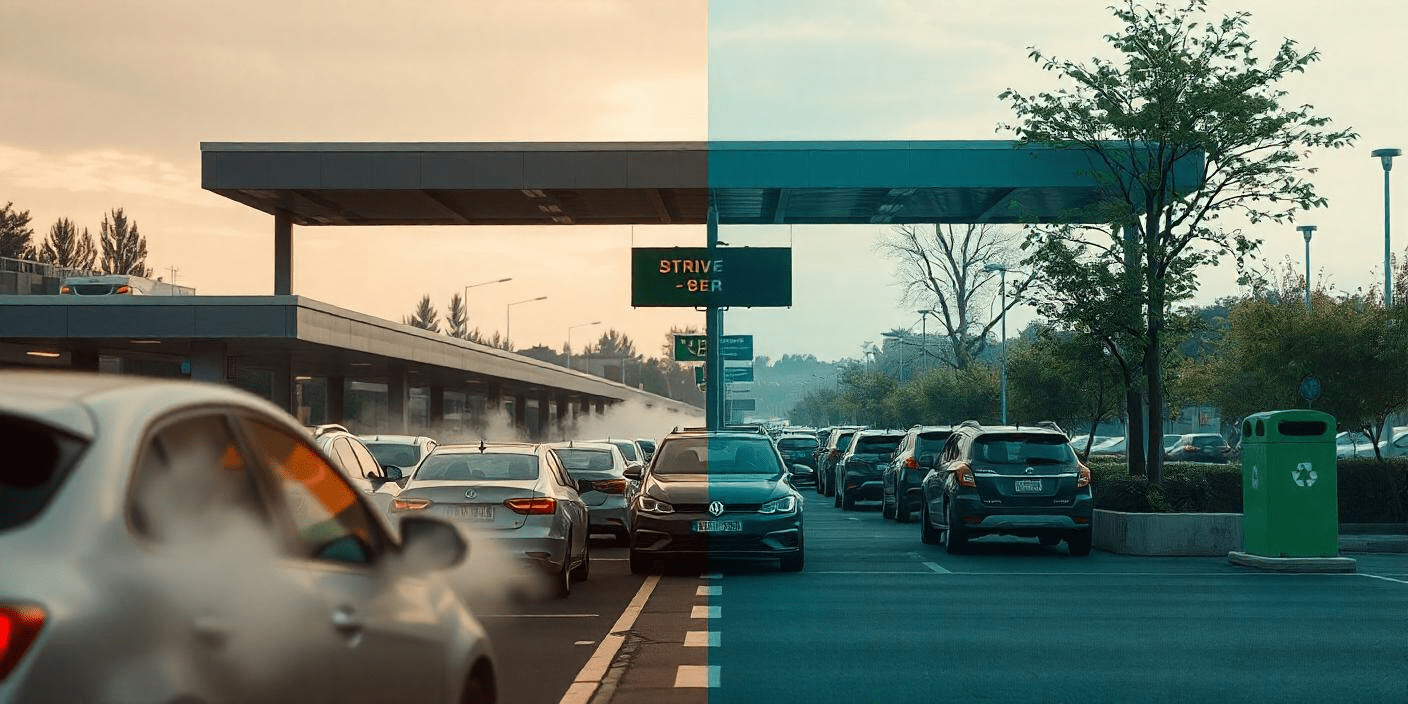
Drive-thru services have become increasingly popular in various industries, offering convenience and quick access to goods and services. While they may seem convenient, it is essential to consider their environmental impact. This blog explores the environmental consequences of drive-thru services and highlights the need for sustainable alternatives.
Increased Carbon Footprint
One of the primary environmental concerns associated with drive-thru services is the increased carbon footprint. Vehicles idling in long queues emit substantial amounts of greenhouse gases, contributing to air pollution and climate change. Studies have shown that drive-thrus can generate up to 1,000 grams of carbon dioxide per vehicle, depending on the waiting time. With drive-thru popularity on the rise, the cumulative impact on air quality and carbon emissions becomes significant.
1. Excessive Energy Consumption
Drive-thru operations require a significant amount of energy to power outdoor menu boards, intercom systems, and other infrastructure. These systems often operate continuously, leading to substantial energy consumption. Additionally, drive-thru facilities typically rely on artificial lighting during both day and night, further contributing to energy waste. Such excessive energy consumption adds strain to already stressed power grids and increases the demand for fossil fuel-based electricity.
2. Waste Generation
The convenience of drive-thru services often comes at the expense of increased waste generation. Disposable packaging, single-use utensils, cups, and straws are commonly handed out to customers on the go. Unfortunately, many of these items end up in landfills or pollute the natural environment, contributing to the global waste crisis. The abundance of packaging materials associated with drive-thru services further exacerbates the already pressing issue of plastic pollution.
3. Loss of Green Spaces
The construction and expansion of drive-thru facilities often lead to the loss of green spaces. As drive-thrus become more prevalent, natural areas, trees, and vegetation are frequently cleared to make way for these establishments. This destruction of green spaces not only diminishes the aesthetic appeal of communities but also disrupts ecosystems and reduces urban biodiversity. The loss of green spaces can have long-term negative consequences for air quality, temperature regulation, and overall well-being.
4. Check Your Order and Address Mistakes Politely
Once you receive your order, take a moment to check it for accuracy before driving away. If you notice any mistakes or missing items, politely address them with the drive-thru staff. It’s important to communicate any concerns or issues calmly and respectfully, allowing them to rectify the situation. Remember, mistakes can happen, and a courteous approach fosters a more constructive resolution.
5. Dispose of Trash Responsibly
After enjoying your drive-thru meal or beverage, dispose of any trash responsibly. Many drive-thru locations have designated trash receptacles nearby or at the exit. Avoid littering by using these designated areas or by keeping a small bag in your car to collect trash until you can properly dispose of it. By maintaining cleanliness and respecting the environment, you contribute to a pleasant experience for future customers and the community.
6. COVID-19 Adaptation
The COVID-19 pandemic forced many businesses to adapt to new health and safety guidelines. Drive-thru solutions were immensely helpful, allowing customers to get coffee without any physical contact. Coffee shops with drive-thru were better prepared to continue operating and ensure safety for staff and customers.
Tailored for the Saudi Market
FAMA Technologies understands the nuances of operating in the Saudi market. From language localization (Arabic/English) to support for digital payments and loyalty systems, their solutions cater to:
As Vision 2030 continues to push digital transformation across all sectors, FAMA is already equipping Saudi businesses with next-gen solutions that meet these national goals.
Conclusion:
While drive-thru services offer convenience and efficiency, it is crucial to recognize and address their environmental impact. By raising awareness about the carbon emissions, energy consumption, waste generation, and loss of green spaces associated with drive-thrus, we can encourage the adoption of sustainable alternatives. Businesses and consumers alike should explore innovative solutions such as curbside pickup, bike-friendly drive-thrus, or encouraging customers to dine in, which can help reduce the environmental footprint of drive-thru services. By prioritizing sustainability, we can minimize the negative effects and work towards a greener and more eco-friendly future.