Introduction
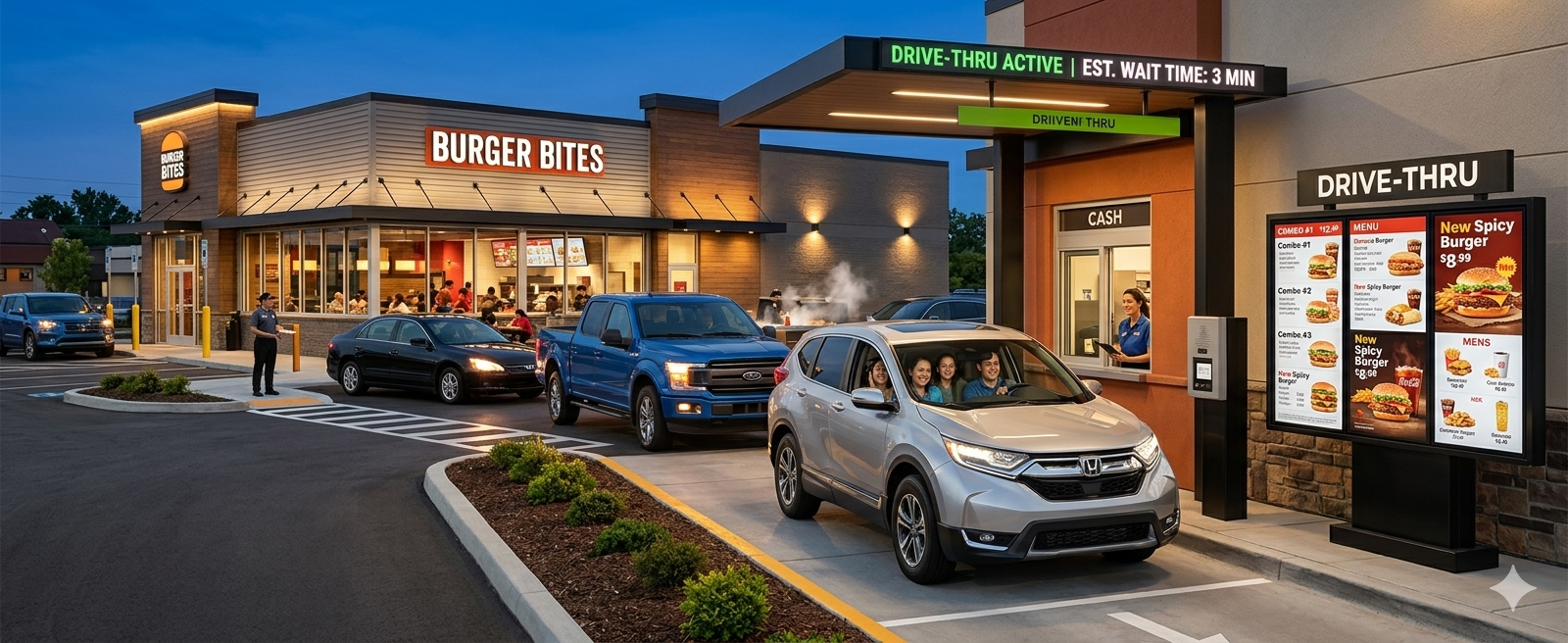
In recent years, the culture of drive-thru has become increasingly prevalent in many parts of the world. This trend has led to the rise of drive-thru restaurants, coffee shops, banks, and even pharmacies. Drive-thru culture is characterized by its emphasis on convenience, speed, and efficiency. In this blog, we will explore the culture of drive-thru and its impact on our lives.
Convenience as a Priority
One of the primary drivers of drive-thru culture is convenience. People today have busy schedules, and they want to be able to get things done quickly and efficiently. Drive-thru culture has emerged as a response to this need for convenience. It allows people to get food, coffee, or other products without having to get out of their cars, which saves time and effort.
1. Fast-Paced Lifestyle
The fast-paced lifestyle that many people lead today has also contributed to the growth of drive-thru culture. People often feel like they don’t have enough time in their day to get everything done, and they turn to drive-thru options to save time. With drive-thru options, people can get what they need quickly and move on to their next task.
2. Contactless Service
Drive-thru culture has also become more prevalent in recent years due to the COVID-19 pandemic. Many people are hesitant to go inside stores or restaurants because of the risk of exposure to the virus. Drive-thru options provide a contactless service that allows people to get what they need without having to come into contact with others.
3. Environmental Impact
While the convenience of drive-thru options is undeniable, there are also environmental concerns associated with this culture. Drive-thru restaurants, for example, often produce a large amount of waste, including disposable cups, straws, and food containers. In addition, drive-thru traffic can contribute to air pollution and traffic congestion.
4. Health Concerns
Another concern associated with drive-thru culture is the impact it can have on our health. Many drive-thru restaurants serve fast food and other unhealthy options that can contribute to obesity and other health issues. While some drive-thru options offer healthier choices, the majority of options tend to be high in calories, sugar, and fat.
5. Economic Impact
Drive-thru culture has also had an economic impact on our society. Drive-thru restaurants, for example, have become a major source of employment for many people, providing jobs in areas such as food preparation, customer service, and management. However, these jobs are often low-paying and do not provide many benefits.
6. Technology Integration
As Drive-thru culture has evolved, technology has played an increasingly important role. Many drive-thru restaurants and coffee shops now use technology such as touchscreens and mobile apps to make ordering and payment more efficient. This has led to a more seamless and streamlined drive-thru experience.
Tailored for the Saudi Market
FAMA Technologies understands the nuances of operating in the Saudi market. From language localization (Arabic/English) to support for digital payments and loyalty systems, their solutions cater to:
As Vision 2030 continues to push digital transformation across all sectors, FAMA is already equipping Saudi businesses with next-gen solutions that meet these national goals.
Conclusion:
Drive-thru culture has become a ubiquitous part of modern society. While it offers convenience and efficiency, there are also environmental, health, and economic concerns associated with this culture. As drive-thru options continue to evolve, it will be important to consider these concerns and work towards finding a balance between convenience and sustainability